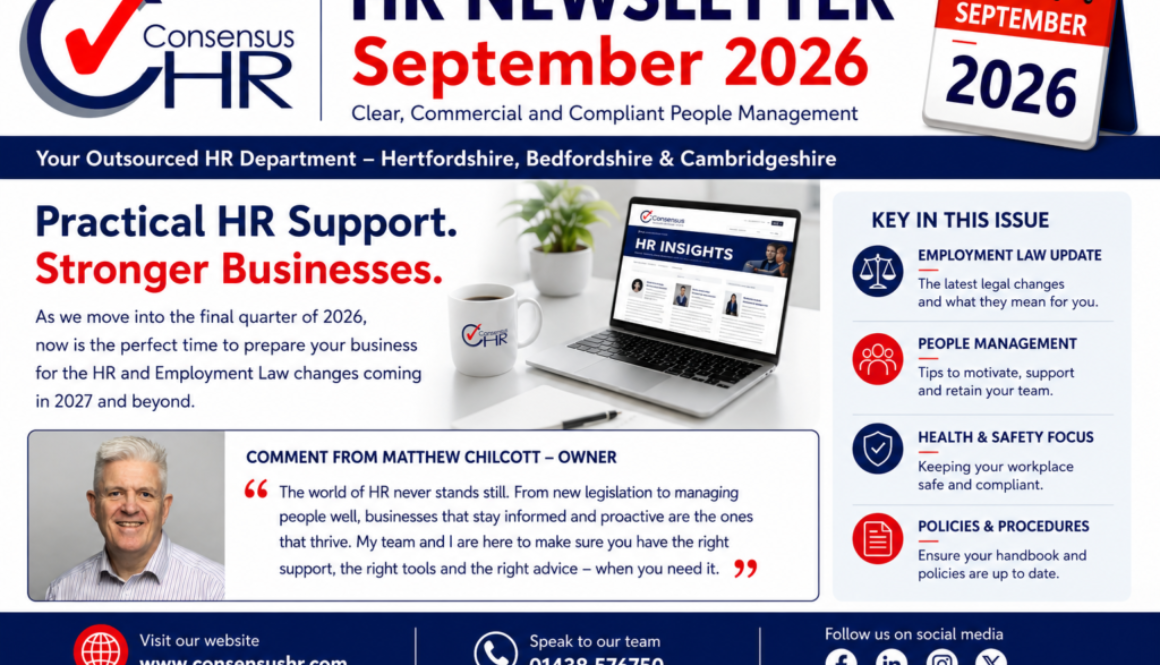
Consensus HR – September 2026 HR Newsletter
|

|
Consensus HR | Hertfordshire, Bedfordshire & Cambridgeshire
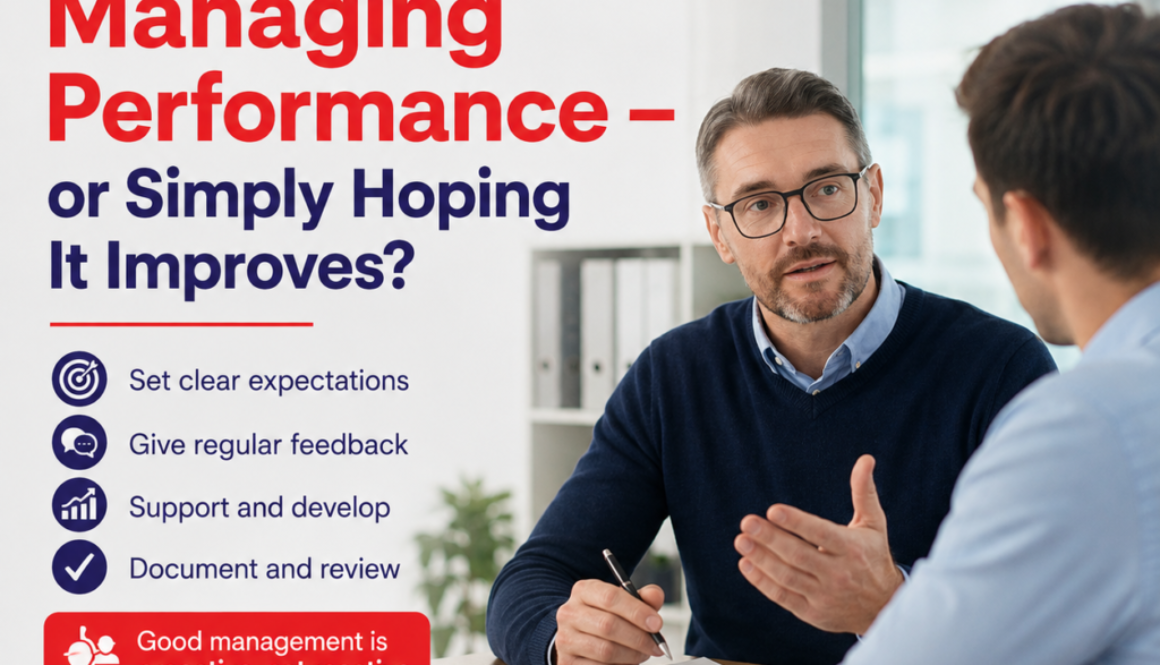
Poor performance rarely disappears by itself.
Yet one of the most common people-management problems we see at Consensus HR is managers knowing that an employee is not performing as expected, but delaying the conversation.
The employee may be missing deadlines, making repeated mistakes, failing to achieve targets or simply not performing at the level required.
Everybody seems to know there is a problem – except, sometimes, the employee.
Effective performance management is not simply about dealing with underperformance.
It should be an ongoing process involving:
ACAS recommends regular performance reviews and emphasises that managers should also discuss performance informally through feedback, coaching and regular check-ins.
The CIPD similarly describes performance management as a continuous process rather than an isolated annual event.
A yearly appraisal can have value, but it should never be the first time an employee hears that their performance is causing concern.
Imagine being told:
“Your performance hasn’t been good enough for the last six months.”
An understandable response might be:
“Why didn’t anybody tell me?”
Managers should be addressing issues when they arise.
This gives the employee an opportunity to understand the concern, explain whether anything is affecting their performance and, importantly, improve.
We regularly encourage managers to use SMART objectives:
Specific – What exactly needs to happen?
Measurable – How will achievement be demonstrated?
Achievable – Is the expectation realistic?
Relevant – Does it relate to the employee’s role and business requirements?
Time-bound – When must it be achieved?
“Improve your customer service” is vague.
“Reduce average customer response times to within 24 working hours over the next eight weeks” provides something that can actually be discussed and measured.
Throughout my HR career, I have repeatedly seen businesses promote excellent operational employees into management positions and then assume they automatically know how to manage people.
Managing people is a skill.
Managers need to know how to set objectives, give constructive feedback, hold difficult conversations, document concerns and recognise when informal management needs to become a formal HR process.
One of the biggest mistakes is allowing a performance concern to continue for months because nobody wants to have the conversation.
The conversations managers avoid are usually the conversations they later wish they had held much earlier.
Where informal support does not achieve the required improvement, a structured Performance Improvement Plan may be appropriate.
ACAS guidance recommends that a PIP identifies specific objectives, reasonable timescales and the support or training required.
Employers should also consider whether there are underlying circumstances that need addressing, including whether reasonable adjustments may be required for a disabled employee.
Performance problems should therefore be managed, supported and documented – not ignored.
Consensus HR provides practical management development designed around the situations managers actually face in the workplace.
We help managers become confident in managing:
Good management is proactive, not reactive.
📞 01438 576750
✉️ [email protected]
Consensus HR – Helping companies take the pain out of managing people.
ACAS – Performance Management
https://www.acas.org.uk/performance-management
CIPD – Performance Management
https://www.cipd.org/uk/knowledge/factsheets/performance-factsheet/
Consensus HR
https://www.consensushr.com/
For further information on any of the HR subjects we provide, please click the heading below:

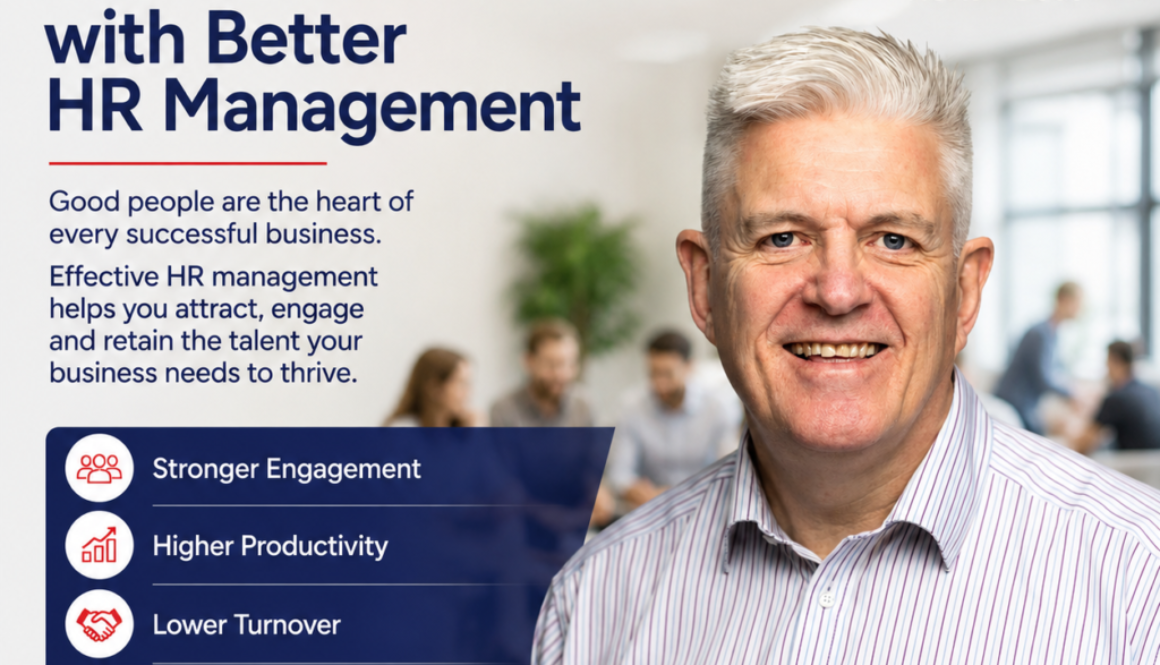
By Consensus HR – Outsourced HR Support for SMEs
Recruitment is expensive.
Advertising, interviewing, onboarding and training all require significant investment.
Yet many businesses lose excellent employees within the first year—not because they recruited the wrong person, but because they failed to support them after they joined.
Retention isn’t created through annual pay reviews.
It begins during recruitment and continues throughout onboarding, probation and ongoing management.
Successful employers provide:
Employees who understand what success looks like are far more likely to remain engaged.
Research consistently shows that people often leave managers rather than companies.
Investing in management development often produces a greater return than increasing recruitment budgets.
“Businesses often spend thousands recruiting the right person but very little ensuring they stay. Great retention comes from excellent management, regular communication and making employees feel valued from their very first day. Prevention has always been far less expensive than replacing good people.”
We work with SMEs to improve:
Helping businesses reduce recruitment costs whilst building stronger, more productive teams.
If you’d like to improve employee retention, we’d love to help.
LinkedIn: https://www.linkedin.com/company/consensus-hr
Facebook: https://www.facebook.com/ConsensusHR
X (Twitter): https://x.com/ConsensusHR
Instagram: https://www.instagram.com/consensushr
For further information on any of the HR subjects we provide, please click the heading below:
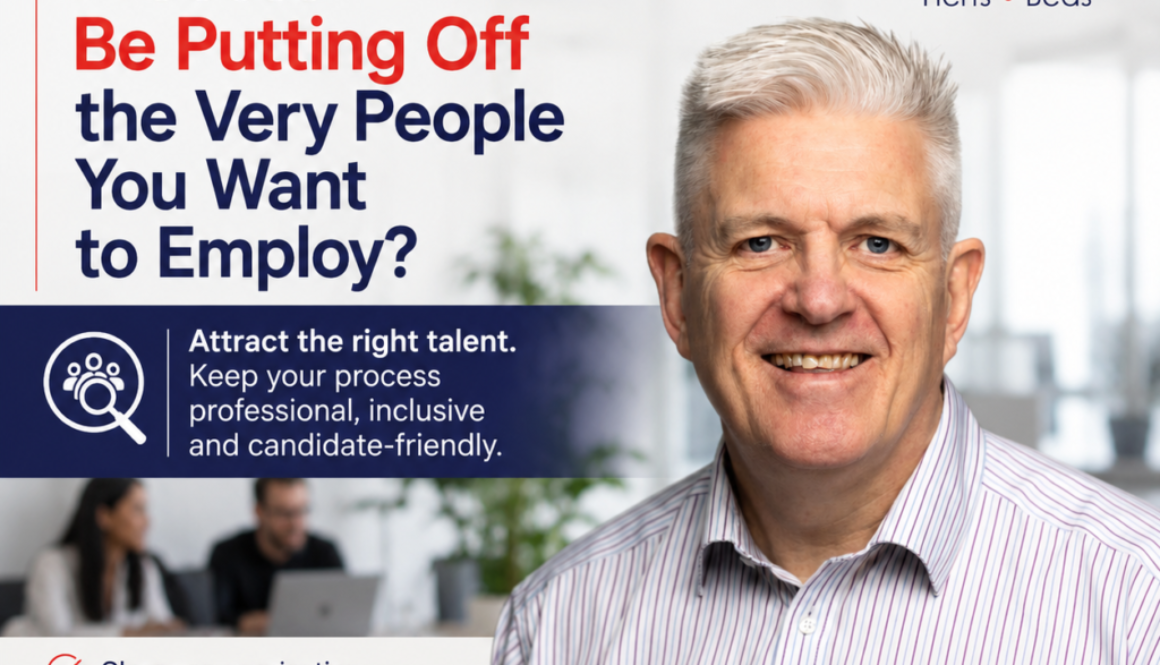
By Consensus HR – Outsourced HR Support for SMEs
Recruitment is expensive.
Advertising, interviewing, onboarding and training all require significant investment.
Yet many businesses lose excellent employees within the first year—not because they recruited the wrong person, but because they failed to support them after they joined.
Retention isn’t created through annual pay reviews.
It begins during recruitment and continues throughout onboarding, probation and ongoing management.
Successful employers provide:
Employees who understand what success looks like are far more likely to remain engaged.
Research consistently shows that people often leave managers rather than companies.
Investing in management development often produces a greater return than increasing recruitment budgets.
“Businesses often spend thousands recruiting the right person but very little ensuring they stay. Great retention comes from excellent management, regular communication and making employees feel valued from their very first day. Prevention has always been far less expensive than replacing good people.”
We work with SMEs to improve:
Helping businesses reduce recruitment costs whilst building stronger, more productive teams.
If you’d like to improve employee retention, we’d love to help.
LinkedIn: https://www.linkedin.com/company/consensus-hr
Facebook: https://www.facebook.com/ConsensusHR
X (Twitter): https://x.com/ConsensusHR
Instagram: https://www.instagram.com/consensushr
For further information on any of the HR subjects we provide, please click the heading below:
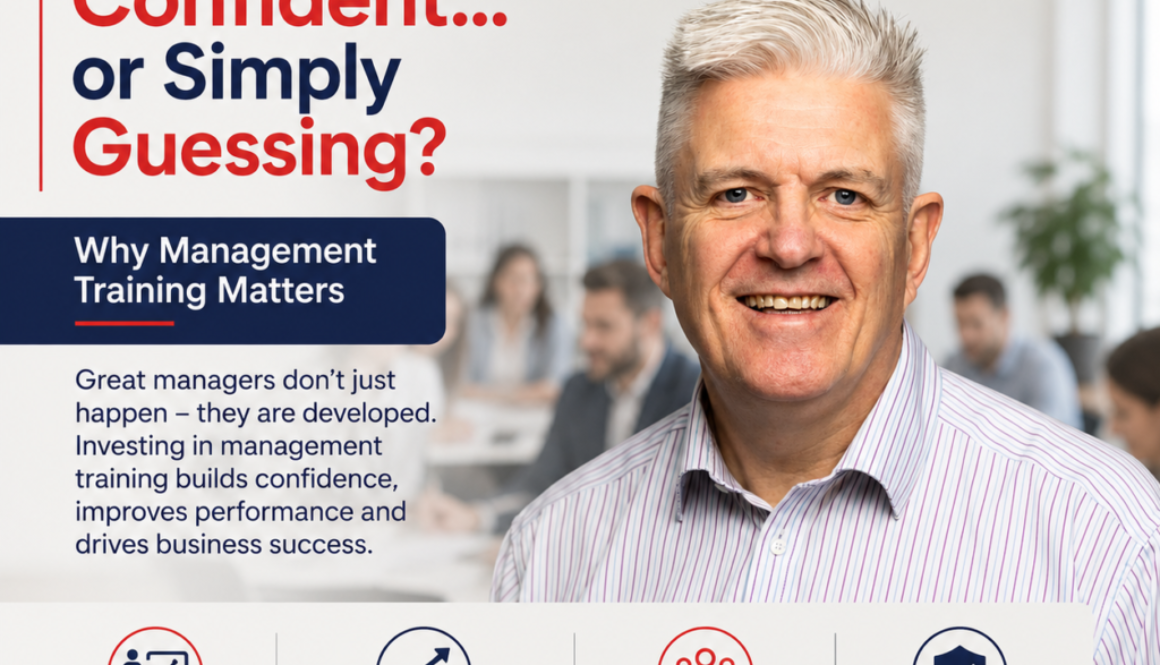
By Consensus HR – Outsourced HR Support for SMEs
Recruitment is expensive.
Advertising, interviewing, onboarding and training all require significant investment.
Yet many businesses lose excellent employees within the first year—not because they recruited the wrong person, but because they failed to support them after they joined.
Retention isn’t created through annual pay reviews.
It begins during recruitment and continues throughout onboarding, probation and ongoing management.
Successful employers provide:
Employees who understand what success looks like are far more likely to remain engaged.
Research consistently shows that people often leave managers rather than companies.
Investing in management development often produces a greater return than increasing recruitment budgets.
“Businesses often spend thousands recruiting the right person but very little ensuring they stay. Great retention comes from excellent management, regular communication and making employees feel valued from their very first day. Prevention has always been far less expensive than replacing good people.”
We work with SMEs to improve:
Helping businesses reduce recruitment costs whilst building stronger, more productive teams.
If you’d like to improve employee retention, we’d love to help.
LinkedIn: https://www.linkedin.com/company/consensus-hr
Facebook: https://www.facebook.com/ConsensusHR
X (Twitter): https://x.com/ConsensusHR
Instagram: https://www.instagram.com/consensushr
For further information on any of the HR subjects we provide, please click the heading below:
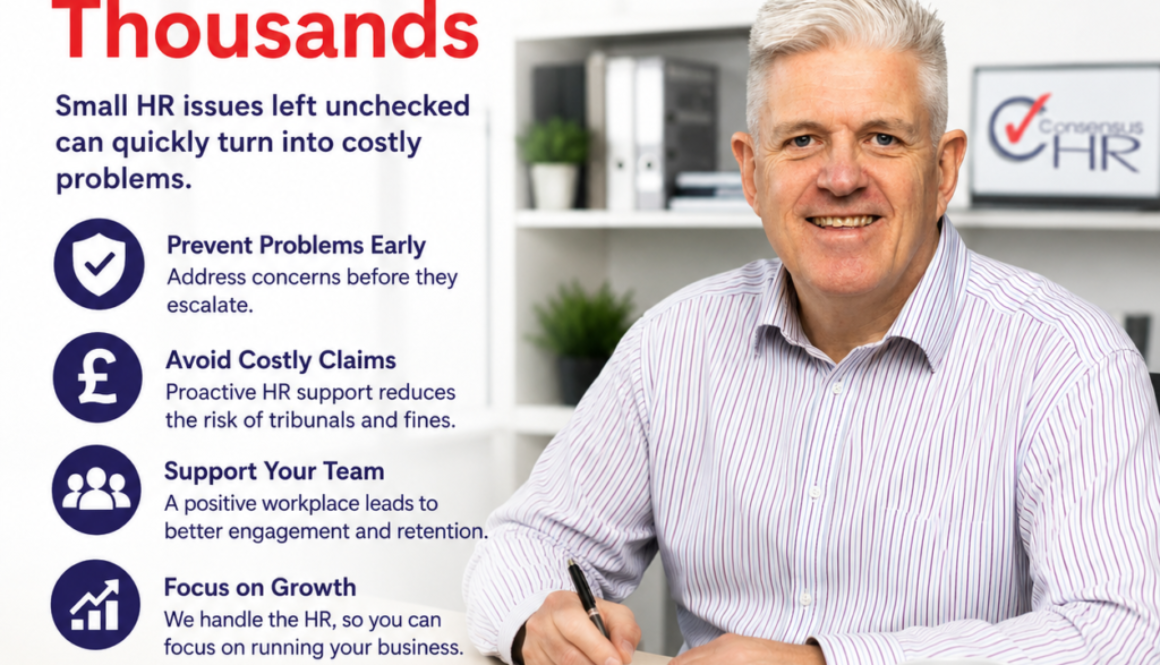
Helping companies take the pain out of managing people
By Consensus HR – Your Outsourced HR Department for Hertfordshire, Bedfordshire & Cambridgeshire
For many SMEs, HR is still viewed as something only needed when there is an issue.
An employee resigns unexpectedly.
Someone raises a grievance.
Performance drops.
Absence increases.
A disciplinary becomes unavoidable.
Or worse still…
A letter arrives notifying the business of an Employment Tribunal claim.
Only then does the search begin for professional HR advice.
Unfortunately, by that stage the problem has often been developing for months and could have been prevented.
At Consensus HR, we firmly believe that effective Human Resources is about prevention rather than cure. Just as you wouldn’t wait until your accounts were in disarray before speaking to your accountant or until your computer systems crashed before calling your IT provider, your people deserve the same proactive attention.
As your outsourced HR Department, we work alongside businesses throughout Hertfordshire, Bedfordshire and Cambridgeshire, ensuring they remain compliant with UK Employment Law while creating productive, engaged workplaces.
One of the biggest misconceptions surrounding HR is that it only becomes important when something goes wrong.
In reality, the best HR professionals spend most of their time ensuring issues never develop in the first place.
That includes:
The result?
Fewer grievances.
Fewer disciplinaries.
Lower absence.
Higher engagement.
Greater productivity.
And significantly less legal risk.
Very few Employment Tribunal claims arise because of one isolated incident.
Instead, they usually develop from a series of small management decisions that weren’t addressed at the time.
For example:
A manager delays giving feedback because they don’t want conflict.
An employee’s poor performance isn’t documented.
Probation meetings are repeatedly postponed.
Policies haven’t been updated for several years.
Managers deal with situations inconsistently.
Employees begin to feel unfairly treated.
Communication breaks down.
Eventually the employee leaves—or brings a legal claim.
All of this could often have been prevented through timely HR advice.
Many businesses avoid seeking HR advice because they see it as an unnecessary expense.
However, the real expense often comes from not asking for help.
Consider the hidden costs of poor people management:
Even one poorly handled dismissal can cost significantly more than a year’s professional HR support.
UK Employment Law never stands still.
Recent legislative developments and forthcoming reforms mean employers need to be more proactive than ever.
Businesses should regularly review:
Keeping documentation current isn’t simply best practice—it demonstrates that your business takes compliance seriously.
One of the biggest benefits our retained clients tell us they value is simply knowing someone is available to ask.
Managers regularly face situations they’ve never encountered before.
Questions such as:
“Can we extend probation?”
“How do we deal with repeated lateness?”
“Can we refuse this flexible working request?”
“Do we need an investigation?”
“Should Occupational Health be involved?”
“What documentation do we need?”
Receiving professional advice before making a decision often prevents far bigger problems later.
Unlike many HR providers, we don’t simply wait for clients to contact us after something has gone wrong.
Our retained service is built around proactive support.
We help clients by providing:
Our objective is simple:
To prevent people problems before they become expensive business problems.
“One of the biggest misconceptions I still encounter is that HR only becomes important when something has already gone wrong. The reality is quite the opposite. The businesses that experience the fewest employee issues are those that seek professional advice early. At Consensus HR we work alongside our clients every week, helping them prevent problems rather than simply resolving them after they have escalated. Prevention will always be more effective—and considerably less expensive—than cure.”
Whether you employ five people or two hundred and fifty, having experienced HR professionals available whenever you need them provides confidence, reassurance and legal protection.
Our retained clients enjoy ongoing support that helps them stay compliant, develop their managers and create productive workplaces.
Consensus HR provides outsourced Human Resources and Employment Law support for businesses throughout:
Our experienced team works as your own HR Department, delivering practical, commercial advice designed specifically for SMEs.
🌐 Consensus HR Homepage
📋 Our HR Services
https://www.consensushr.com/hr-services/
⚖️ Employment Law Support
https://www.consensushr.com/employment-law/
👥 Meet Matthew Chilcott
https://www.consensushr.com/about-us-at-consensus-hr/
📰 Latest HR Blogs
https://www.consensushr.com/blogs-hr/
📞 Book Your Complimentary HR Review
https://www.consensushr.com/free-hr-health-check/
☎️ Telephone
01438 576750
https://www.linkedin.com/company/consensushr/
https://www.facebook.com/ConsensusHR/
https://www.instagram.com/consensushr/
X
For further information on any of the HR subjects we provide, please click the heading below:
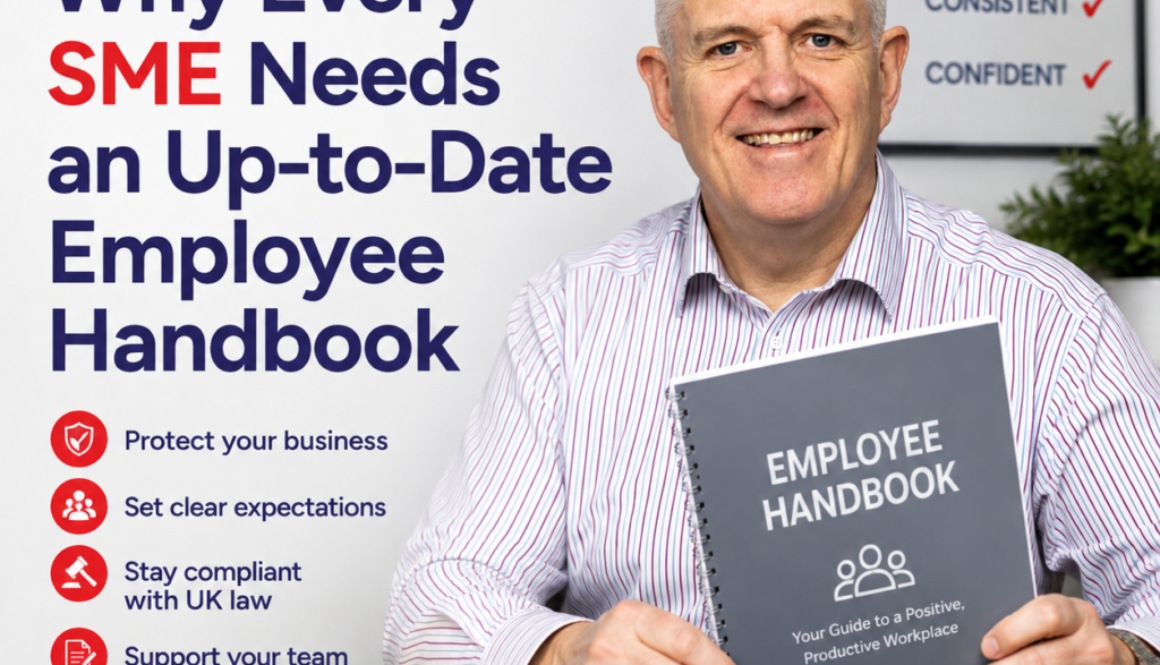
By Consensus HR – Helping Businesses Take the Pain out of Managing People
Too often we hear the same comment:
“Our handbook is over 100 pages long… nobody reads it.”
Our response is always the same.
If nobody reads it…
…why have one?
An Employee Handbook should never sit on a shelf collecting dust.
It should be a practical guide that managers use every week and employees can easily access whenever they need information.
A professionally written handbook helps businesses:
The most successful businesses don’t just issue a handbook during induction.
They actively use it.
Employment Law continues to evolve.
Policies surrounding family leave, flexible working, harassment, disciplinary procedures and many other employment matters require regular review.
An outdated handbook can create unnecessary risk.
“One of the biggest mistakes I see is businesses assuming their handbook only needs updating every few years. Employment Law changes continuously and your documentation should evolve alongside it. At Consensus HR, retained clients who have purchased their Employee Handbook through us receive updated versions whenever legislation changes, together with training notes to help managers and employees understand what has changed. Your handbook should become your company’s HR bible.”
Clients retaining our monthly HR service who have purchased their handbook through us receive:
Helping ensure everyone understands not only what has changed—but why.
Need your handbook reviewed?
Contact Consensus HR today.
LinkedIn: https://www.linkedin.com/company/consensus-hr
Facebook: https://www.facebook.com/ConsensusHR
X (Twitter): https://x.com/ConsensusHR
Instagram: https://www.instagram.com/consensushr
For further information on any of the HR subjects we provide, please click the heading below:
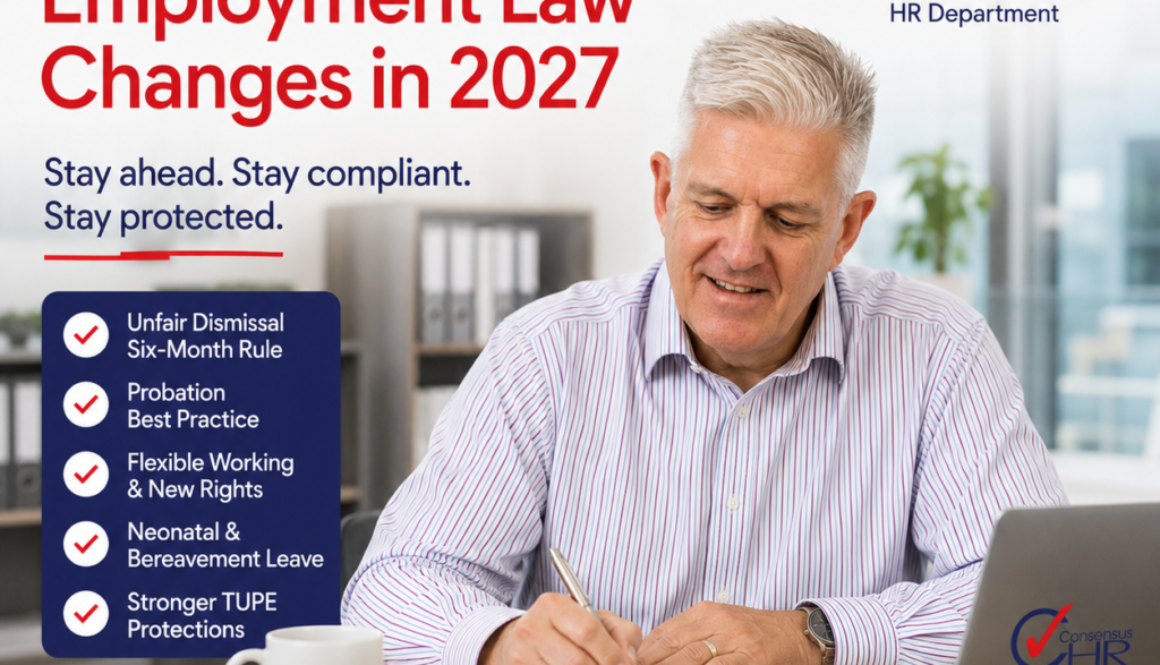
By Consensus HR – Your Outsourced HR Department for Hertfordshire, Bedfordshire & Cambridgeshire
Many UK businesses are fully aware that Employment Law is changing. Unfortunately, simply knowing that change is coming and actually preparing for it are two very different things.
At Consensus HR, we continue to speak with business owners who understand that legislation is changing but are still operating with outdated contracts, old employee handbooks, inconsistent probation processes and little management training.
With the anticipated changes to unfair dismissal qualifying service and increasing expectations on employers, waiting until legislation arrives could become one of the most expensive business decisions you make.
Many employers believe they have time.
The reality is that the employees affected by future legislation are already working in your business today. Every new employee recruited now should already be managed using best practice processes that protect both the business and the individual.
Probation should never simply be a date in the diary.
It should be a structured programme with documented review meetings, objectives, coaching, support and evidence that demonstrates fair management.
Employee Handbooks should be living documents.
Policies that haven’t been reviewed for several years can leave employers exposed when handling disciplinary issues, grievances, absence, performance or flexible working requests.
Good managers have conversations.
Great managers record them.
Employment Tribunals rarely decide cases based upon memory. They rely on evidence.
“The businesses that will adapt quickest to future Employment Law changes are the ones preparing today, not waiting until legislation comes into force. Good HR isn’t about paperwork—it’s about creating consistent management standards that protect both your business and your people. Every conversation, review and decision should be documented professionally.”
Our retained HR service includes:
Helping businesses stay compliant without the worry.
If you’re unsure whether your documentation and procedures are ready for future Employment Law changes, contact Consensus HR today.
LinkedIn: https://www.linkedin.com/company/consensus-hr
Facebook: https://www.facebook.com/ConsensusHR
X (Twitter): https://x.com/ConsensusHR
Instagram: https://www.instagram.com/consensushr
For further information on any of the HR subjects we provide, please click the heading below:
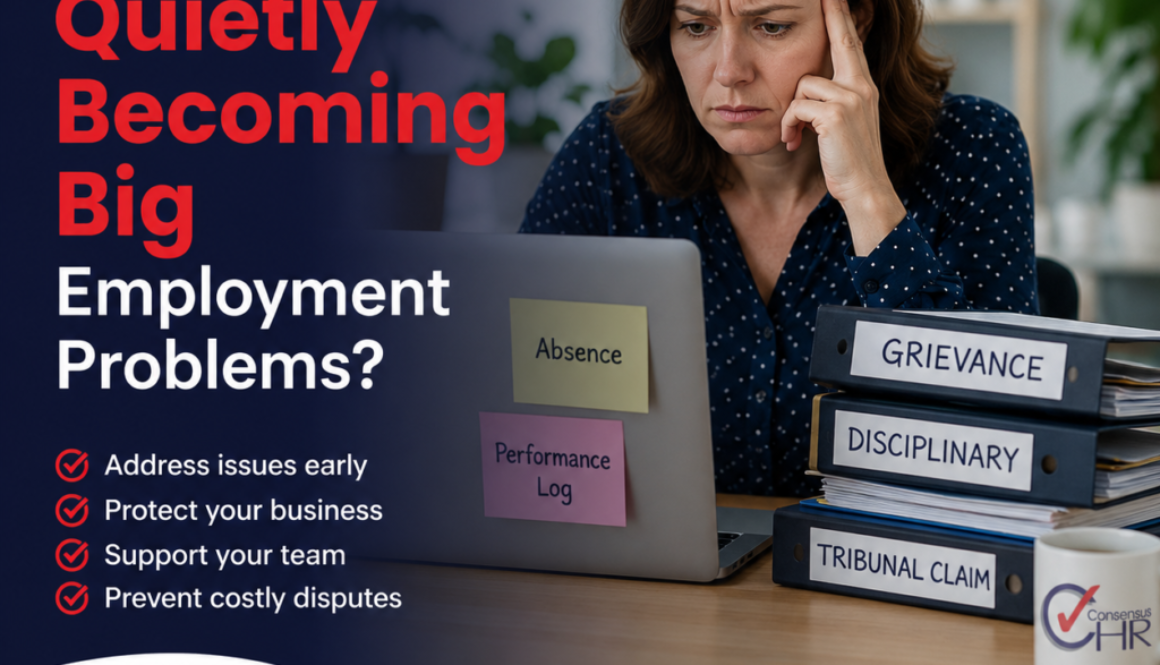
By Consensus HR – Your Outsourced HR Department for Hertfordshire, Bedfordshire & Cambridgeshire
One of the most common comments we hear from business owners is:
“We didn’t think it was a big issue at the time.”
Unfortunately, by the time many employers seek professional HR advice, what began as a relatively minor concern has often developed into a formal grievance, disciplinary matter, long-term sickness absence or even an Employment Tribunal claim.
In reality, very few employee relations problems appear overnight.
Most start with small warning signs that are overlooked, ignored or simply allowed to continue.
At Consensus HR, we believe the best HR is proactive rather than reactive. Addressing concerns early not only protects your business but also creates a happier, more productive workplace where employees know what is expected of them.
Managers often delay addressing issues because they hope they will resolve themselves.
Unfortunately, they rarely do.
Examples include:
Persistent lateness.
Minor conduct issues.
Falling performance.
Poor communication.
Personality clashes within teams.
Low morale.
Increasing sickness absence.
Customer complaints.
Failure to follow company procedures.
Each incident may appear insignificant on its own, but together they often indicate a much bigger issue developing beneath the surface.
Managing people isn’t always easy.
Many managers avoid difficult conversations because they worry about:
upsetting the employee,
saying the wrong thing,
damaging relationships,
creating conflict,
or simply not knowing how to approach the discussion.
The result is usually the same.
The issue continues, other employees notice the inconsistency, standards begin to slip and the problem becomes far more difficult to resolve.
Constructive conversations held early are almost always easier than formal disciplinary meetings later.
One of the biggest mistakes employers make is relying on memory.
Without written records, it becomes difficult to demonstrate:
what expectations were communicated,
what support was provided,
what meetings took place,
what improvements were agreed,
and whether employees were treated consistently.
Good documentation protects both employer and employee.
It creates transparency, encourages accountability and provides valuable evidence should formal action ever become necessary.
Business owners regularly insure their premises, maintain equipment and invest in cyber security because they understand the importance of prevention.
HR should be viewed in exactly the same way.
Investing in:
management training,
clear policies,
effective communication,
regular one-to-one meetings,
employee handbooks,
structured performance reviews,
and professional HR advice,
can prevent expensive disputes before they arise.
Employment law continues to evolve, and employers should ensure their people management practices evolve alongside it.
With the anticipated January 2027 reduction in the qualifying period for unfair dismissal protection to six months, managers will have less time to identify concerns, provide support and make informed employment decisions.
This makes early intervention, regular review meetings and robust documentation more important than ever before.
Businesses that wait until problems become serious may find they have left it too late.
“One lesson I’ve learnt throughout my HR career is that managers rarely regret having a professional conversation early—but they often regret waiting too long. Most Employment Tribunal cases don’t begin with a major incident; they develop because smaller issues weren’t managed consistently. The most successful employers create a culture where regular conversations, clear expectations and good documentation are simply part of everyday management. That’s exactly the proactive approach we encourage all our clients to adopt.”
At Consensus HR, we become your outsourced HR department, helping businesses prevent employee issues before they become costly disputes.
Our retained HR support includes:
Unlimited HR and Employment Law advice.
Employee relations support.
Disciplinary and grievance guidance.
Employee Handbook reviews and updates.
Management training.
Performance management systems.
Recruitment and onboarding support.
HR documentation.
Employment Law updates.
HR Health Checks.
Our goal is simple: helping employers manage people confidently, legally and commercially.
Telephone: 01438 576750
Email: [email protected]
Website: https://www.consensushr.com
LinkedIn: https://www.linkedin.com/company/consensus-hr
Facebook: https://www.facebook.com/ConsensusHR
Instagram: https://www.instagram.com/consensushr
Visit our regularly updated HR Blog:
https://www.consensushr.com/blogs-hr/
For over 20 years, Consensus HR has been helping SMEs across Hertfordshire, Bedfordshire and Cambridgeshire take the pain out of managing people. Whether you need retained HR support, contracts of employment, employee handbooks, management training or guidance on Employment Law, our experienced team provides practical, commercial advice that helps businesses remain compliant while getting the very best from their people.
Consensus HR – Helping employers stay proactive, compliant and focused on growing their business.
For further information on any of the HR subjects we provide, please click the heading below:
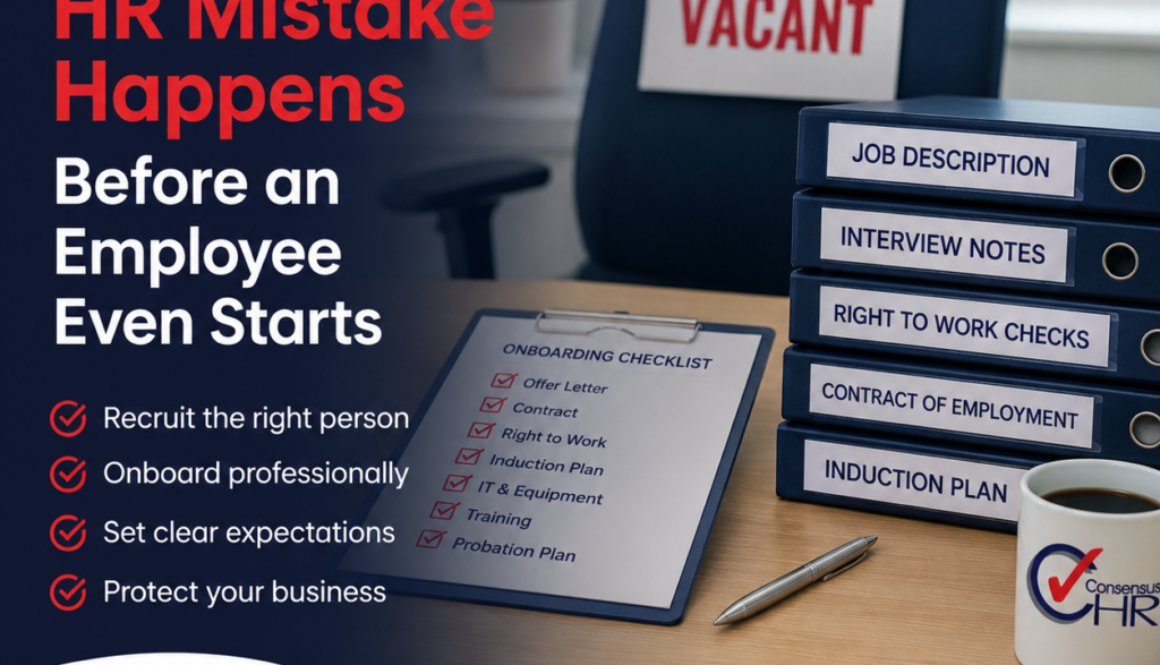
By Consensus HR – Your Outsourced HR Department for Hertfordshire, Bedfordshire & Cambridgeshire
Recruiting a new employee is one of the biggest investments any business makes. Yet many employers unknowingly create expensive HR and Employment Law risks long before their new recruit walks through the door.
The recruitment process doesn’t begin on an employee’s first day—it starts with the very first advert, continues through the interview process and extends into every stage of onboarding and probation.
Get it right and you’ll increase retention, productivity and employee engagement.
Get it wrong and you could be dealing with early resignations, poor performance, recruitment costs, legal claims and the need to recruit all over again.
At Consensus HR, we regularly help businesses review their recruitment and onboarding processes, and one thing is clear: the most successful employers don’t leave recruitment to chance—they follow a structured, documented process from beginning to end.
Too often, employers focus solely on finding someone quickly rather than finding the right person.
Common mistakes include:
Writing vague or unrealistic job adverts.
Using outdated job descriptions.
Failing to identify the key competencies required.
Conducting unstructured interviews.
Asking inconsistent interview questions.
Not checking references thoroughly.
Failing to complete Right to Work checks correctly.
Issuing contracts of employment late.
Each of these mistakes increases both business and legal risk.
Recruitment should be viewed as an investment—not simply an administrative task.
A new employee will often decide within the first few weeks whether they can see a future with your organisation.
Unfortunately, many businesses unintentionally create a poor first impression by:
Having no structured induction.
Providing little or no training.
Leaving new starters unsure of expectations.
Failing to introduce colleagues properly.
Providing limited management support.
Waiting until the end of probation to discuss performance.
Employees who feel unsupported during their first few weeks are significantly more likely to leave early.
Early resignations don’t just cost money—they also impact team morale and productivity.
Before a new employee starts, employers should ensure they have:
A legally compliant Contract of Employment.
An up-to-date Employee Handbook.
A clear Job Description.
Workplace policies that reflect current UK Employment Law.
A structured induction programme.
A documented probationary review process.
These documents don’t simply satisfy legal requirements—they provide clarity, consistency and confidence for both employer and employee.
One of the biggest mistakes employers make is treating probation as a single meeting at the end of three or six months.
Effective probation should include regular, scheduled review meetings, documented objectives and constructive feedback throughout the entire period.
Employees should always understand:
What is expected of them.
How performance will be measured.
What support is available.
What success looks like.
By identifying concerns early, employers have a much greater opportunity to support improvement and make informed employment decisions.
With significant Employment Rights changes continuing to be introduced across the UK, employers should ensure every stage of recruitment and onboarding is legally compliant.
Businesses should already be preparing for the anticipated January 2027 reduction in the qualifying period for unfair dismissal protection to six months, making robust recruitment, onboarding and probation processes more important than ever.
Good recruitment documentation today could become invaluable evidence tomorrow.
“Throughout my HR career, one thing has remained constant—the best recruitment decisions are rarely made by chance. Successful employers recruit carefully, onboard professionally and manage probation proactively. One of the most effective tools I have ever developed is our Probationary Review Workbook, which guides both managers and employees through structured review meetings from the first week of employment. It creates transparency, encourages regular communication and provides documented evidence of support and performance throughout probation. Businesses that invest time at the beginning of employment usually experience better retention, stronger performance and far fewer employee relations issues later.”
Whether you’re recruiting your first employee or your fiftieth, Consensus HR can support you with every stage of the employment journey.
Our services include:
Recruitment support.
Job descriptions and person specifications.
Interview guidance and competency-based questions.
Contracts of Employment.
Employee Handbooks.
Probationary Review Workbooks.
Management training.
Unlimited retained HR advice.
Employment Law compliance.
We help employers recruit with confidence and build successful teams from day one.
Telephone: 01438 576750
Email: [email protected]
Website: https://www.consensushr.com
LinkedIn: https://www.linkedin.com/company/consensus-hr
Facebook: https://www.facebook.com/ConsensusHR
Instagram: https://www.instagram.com/consensushr
Visit our regularly updated HR Blog:
https://www.consensushr.com/blogs-hr/
Consensus HR
Helping businesses across Hertfordshire, Bedfordshire and Cambridgeshire take the pain out of managing people through proactive, practical and commercially focused HR support.
For further information on any of the HR subjects we provide, please click the heading below:

By Consensus HR – Your Outsourced HR Department for Hertfordshire, Bedfordshire & Cambridgeshire
When business owners think about workplace culture, many imagine office perks, team lunches or social events. In reality, workplace culture is something much more important. It is the way people behave every day, how managers lead, how employees communicate, and how problems are dealt with.
A positive workplace culture helps businesses attract and retain talented employees, improve productivity and reduce employment disputes. A poor culture, however, can quietly become one of the biggest risks facing any organisation.
At Consensus HR, we regularly work with businesses that contact us after issues have already escalated. In many cases, the warning signs were present months earlier but simply weren’t recognised or addressed.
Culture is the personality of your business.
It influences:
How employees treat each other.
How managers communicate.
Whether employees feel respected and valued.
How quickly problems are addressed.
Whether people enjoy coming to work.
Every conversation, decision and management action contributes towards the culture employees experience.
A negative workplace culture rarely appears overnight.
Instead, it develops gradually through small issues such as:
Managers avoiding difficult conversations.
Inconsistent treatment between employees.
Poor communication.
Lack of recognition.
Unclear expectations.
Policies that exist but are never followed.
Over time these issues can result in:
Higher staff turnover.
Increased sickness absence.
Reduced productivity.
Low morale.
Grievances.
Bullying allegations.
Constructive dismissal claims.
Employment Tribunal cases.
The financial cost can be significant, but the damage to reputation can be even greater.
Policies and procedures are important, but people rarely leave businesses because of policies.
They usually leave because of poor management.
Managers who:
communicate openly,
provide constructive feedback,
recognise achievement,
address concerns early, and
lead by example,
create workplaces where employees are more engaged and productive.
Management training should never be viewed as an expense. It is an investment that protects your business.
Having an Employee Handbook isn’t enough if nobody uses it.
Your handbook should be a living document that managers refer to regularly and employees can easily access, whether digitally through Breathe HR, on your company intranet or as part of induction.
Policies should support the culture you want to create—not simply gather dust on a shelf until something goes wrong.
With significant employment law reforms continuing to affect UK employers, including changes to unfair dismissal qualifying periods expected from January 2027, businesses should ensure their management practices, documentation and employee communication are stronger than ever.
A positive workplace culture, supported by consistent management and compliant HR processes, places employers in the strongest possible position should issues arise.
“One of the biggest mistakes I see is employers believing workplace culture develops by itself. It doesn’t. Every manager helps create it every single day. Businesses with clear expectations, good communication and consistent leadership rarely experience the same level of employee relations problems as those who simply react when something goes wrong. Culture should be managed just like finance, sales or health and safety—it deserves the same attention.”
Our retained HR service helps businesses create positive workplace cultures through:
Unlimited HR advice.
Employee Handbook reviews and updates.
Management training.
Employment law compliance.
Performance management support.
Employee relations guidance.
Recruitment and onboarding support.
HR Health Checks.
Our aim is always to help employers remain proactive rather than reactive, preventing people problems before they become expensive business problems.
📞 01438 576750
LinkedIn: https://www.linkedin.com/company/consensus-hr
Facebook: https://www.facebook.com/ConsensusHR
Instagram: https://www.instagram.com/consensushr
https://www.consensushr.com/blogs-hr/
Consensus HR – Helping businesses across Hertfordshire, Bedfordshire and Cambridgeshire take the pain out of managing people.
When businesses think about staff turnover, they often focus on employees who appear disengaged.
Ironically, it is frequently the highest performers who quietly leave.
Why?
Because many continue delivering excellent work while becoming increasingly frustrated.
More responsibility.
More pressure.
More expectations.
But not always:
Eventually another employer notices their value.
Many managers only realise an employee is unhappy after receiving their resignation.
Common warning signs include:
Regular one-to-one meetings help managers understand:
Retention isn’t achieved through annual appraisals.
It’s achieved through regular communication.
Employees who feel listened to, supported and developed are significantly more likely to remain with an organisation.
Replacing experienced employees remains far more expensive than retaining them.
“Many employers believe people leave because of salary alone. In reality, salary is often only one part of the picture. Throughout my career, I have found that employees are far more likely to leave because of poor management, a lack of communication, limited development opportunities, inconsistent leadership or a workplace culture where they simply no longer feel valued. People want to know what is expected of them, receive regular feedback, be recognised for their contribution and have opportunities to develop their skills and progress their careers. These conversations should never be left until an annual appraisal; they should form part of everyday management. Businesses that invest in developing their managers, setting clear SMART objectives, recognising achievement and maintaining open, honest communication create workplaces where employees are engaged, motivated and far more likely to stay. Employee retention doesn’t happen by chance—it is built through good leadership, consistent management and a genuine commitment to investing in people. The cost of retaining a valued employee is almost always significantly less than the financial and operational cost of recruiting, onboarding and training a replacement.”
Matthew Chilcott
Owner – Consensus HR
Want to improve employee retention?
Consensus HR works with businesses across Hertfordshire, Bedfordshire and throughout the UK to help build engaged, productive teams.
Contact us for a complimentary HR review.
📞 01438 576750
Follow Consensus HR
LinkedIn: https://www.linkedin.com/company/consensushr
Facebook: https://www.facebook.com/ConsensusHR
Instagram: https://www.instagram.com/consensushr