Employee Handbooks Explained | Why Every UK Business Must Have One in Place
Why an Employee Handbook is Essential for Every Employer
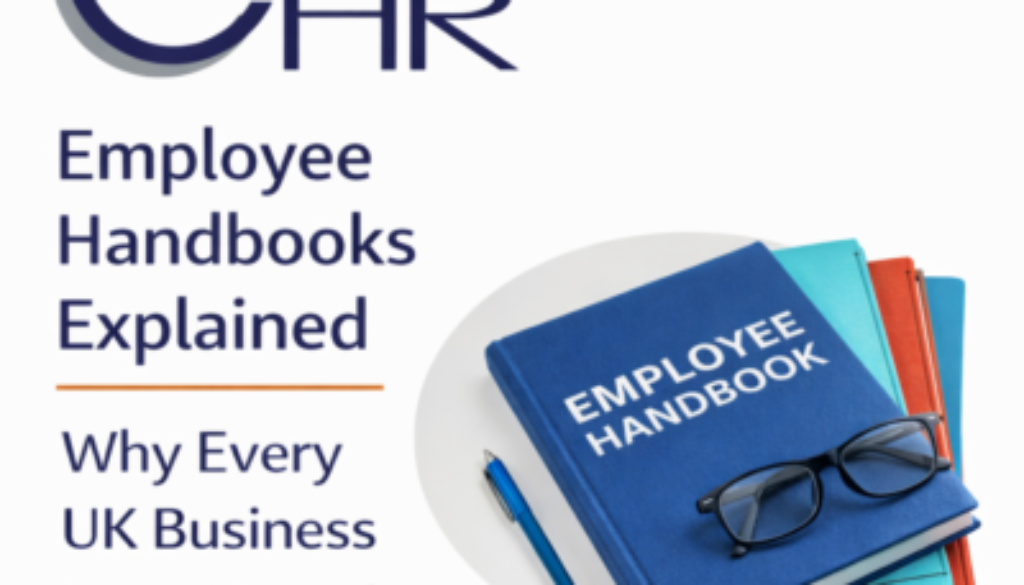
An Employee Handbook is one of the most important documents within any business. It provides clarity, consistency, and legal protection for both employer and employee.
Despite this, many businesses either:
-
Do not have one in place, or
-
Use outdated versions that do not reflect current UK employment law
What Should an Employee Handbook Include?
A compliant handbook should cover:
-
Disciplinary & Grievance Procedures (aligned to ACAS Code)
-
Equal Opportunities & Anti-Harassment Policies
-
Absence Management
-
Flexible Working
-
Health & Safety
-
Data Protection (GDPR)
It should also clearly outline expected standards of behaviour.
Why It Matters
A well-written handbook helps to:
✔ Set clear expectations for employees
✔ Provide managers with a framework for decision-making
✔ Demonstrate compliance in the event of an Employment Tribunal
✔ Reduce risk of disputes and misunderstandings
Without one, businesses are significantly exposed.
Common Risks of Not Having an Updated Handbook
-
Inconsistent management decisions
-
Increased likelihood of disputes
-
Failure to follow fair procedures
-
Higher tribunal risk and potential compensation
Comment from Matthew Chilcott – Owner, Consensus HR
“Your Employee Handbook is the backbone of your HR framework. Without it, businesses are effectively managing people without clear rules or protection.”
How Consensus HR Supports Your Business
We provide:
-
Fully compliant Employee Handbooks
-
Regular updates in line with Employment Law changes
-
Integration with Breathe HR systems
-
Ongoing advice for retained clients
👉 https://www.consensushr.com/services/hr-documentation/
📞 01438 576750
Your Outsourced Human Resources (HR) Department.
For further information on any of the HR subjects we provide, please click the heading below: