Neurodiversity in the Workplace: Practical Employer Duties Under UK Law
Thursday Blog
Neurodiversity in the Workplace: Practical Employer Duties Under UK Law
Awareness of neurodiversity — including ADHD, autism, dyslexia and dyspraxia — continues to grow in UK workplaces.
For employers, this is not simply a wellbeing topic — it is a legal compliance issue.
Legal Framework
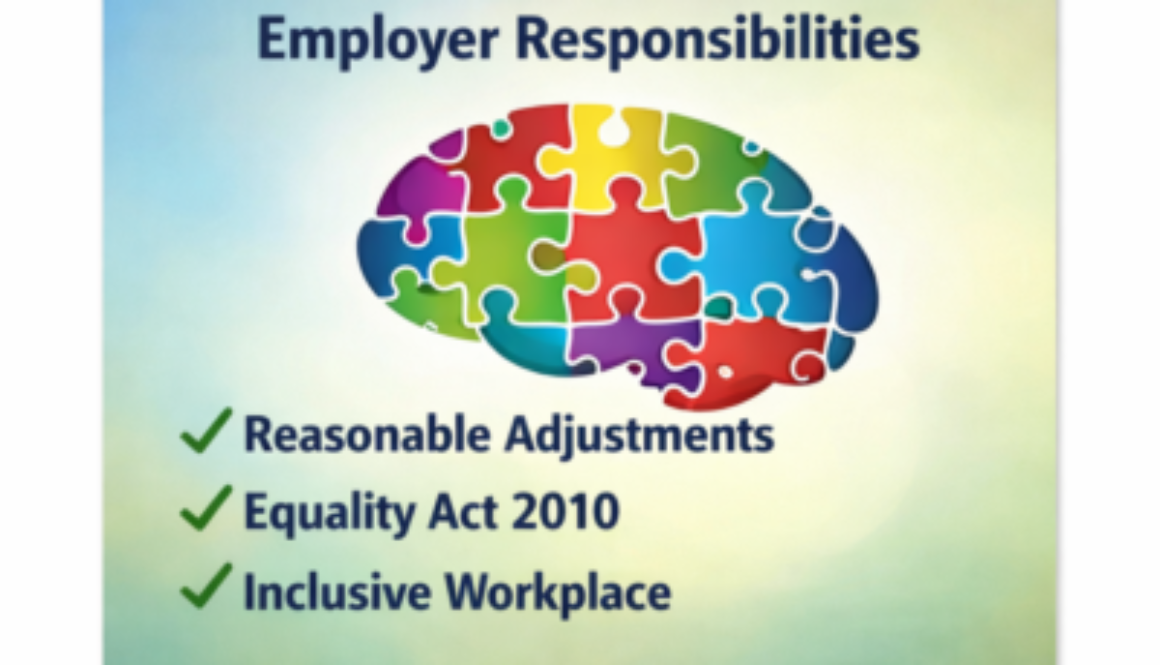
Where a neurodiverse condition meets the definition of disability under the Equality Act 2010, employers have a duty to:
✔ Avoid discrimination
✔ Make reasonable adjustments
✔ Prevent harassment
✔ Avoid victimisation
Failure to make reasonable adjustments can lead to uncapped tribunal compensation.
What Are Reasonable Adjustments?
Adjustments vary depending on the role but may include:
Flexible working patterns
Adjusted communication methods
Assistive technology
Modified performance management processes
Structured task planning
Employers should engage in a meaningful consultation process and document decisions carefully.
Why Proactive Management Matters
Tribunal claims relating to disability discrimination remain common. Early support, structured conversations and manager training significantly reduce risk.
Comment from Matthew Chilcott
“Neurodiversity should be approached positively and lawfully. Employers who take time to understand individual needs not only reduce legal risk but often unlock exceptional talent within their teams.”
Consensus HR supports businesses in managing reasonable adjustments, performance issues and compliance matters proactively.
📞 01438 576750
🌐 https://www.consensushr.com
Connect with us:
LinkedIn: https://www.linkedin.com/company/consensus-hr
Facebook: https://www.facebook.com/ConsensusHR
Instagram: https://www.instagram.com/consensushr
Your Outsourced Human Resources (HR) Department.
For further information on any of the HR subjects we provide, please click the heading below: